homilies
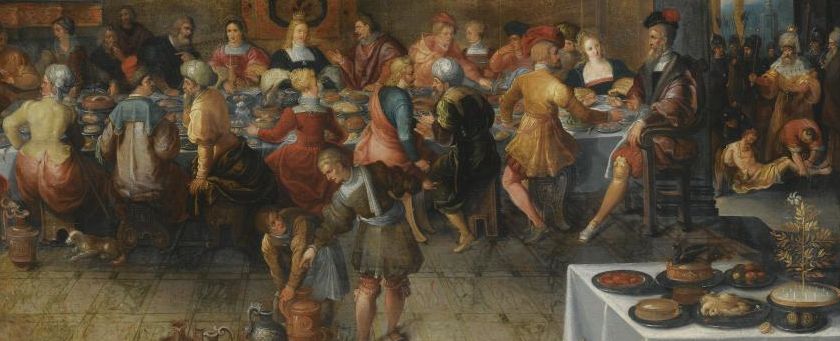
Today we are given two images of the Kingdom of Heaven. The first is from the prophet Isaiah, who describes God’s holy mountain, a reference to Jerusalem. It is a reminder of the prosperity of the Kingdom of Israel and how Jerusalem was at the heart of that prosperity, not simply from an economic standpoint, but because of the holy presence of God in the Jerusalem Temple. It is God who destroys the veil that veils all peoples; it is God who wipes away tears from every face; it is God who saves.…
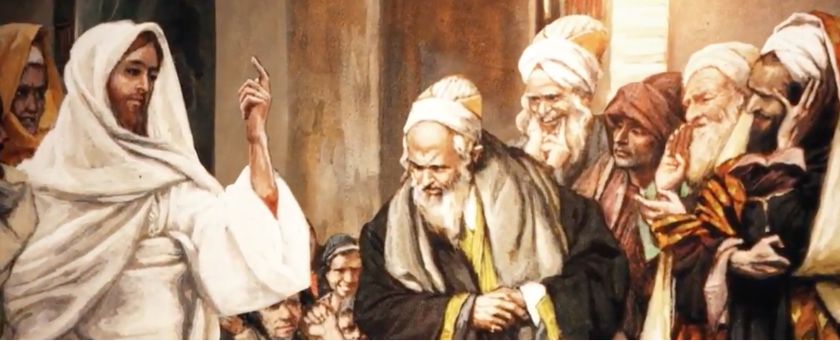
The last few weeks, we have heard Jesus address the chief priests and elders of the people with parables that describe their own actions in the sight of the Lord. In the Gospel of Matthew, Jesus uses the same image as the prophet Isaiah does in the first reading: The landowner, and his vineyard, which has been entrusted to tenants. In both accounts, however, those tenants fail to care for the vineyard as the landowner has required. The requirement was simple: The tenants were to bear good fruit…
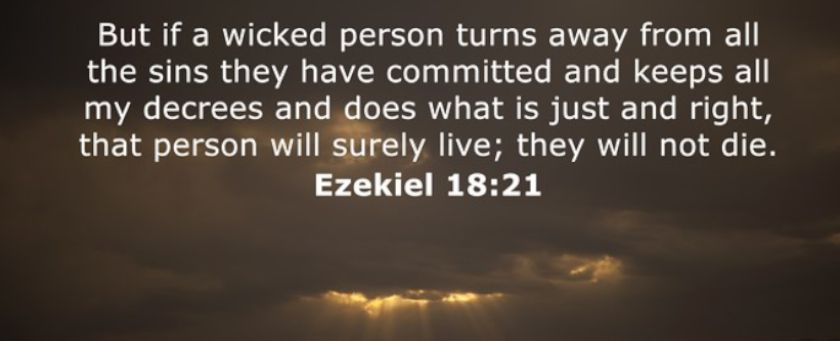
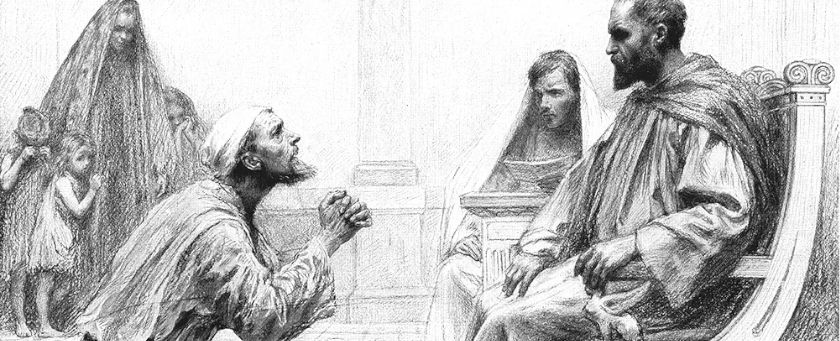
There is a single theme woven through our readings today. It is a message that has been spoken by the prophets of old, by John the Baptist, by Jesus, by St. Paul, and countless men and women of faith throughout the history of salvation. That message is: Repent. It seems to me this word has little meaning in our culture today, so let’s do a word study.
The last few weeks, we have been focused on Matthew’s account of the formation of the disciples. Many scholars see chapters 14 through 18 of Matthew’s Gospel as a discourse on how disciples of Jesus ought to act, not only with respect to God, but towards one another. I have purposely been weaving little teachings on the Four Cardinal virtues into my homilies because these virtues are excellent tools for us to embrace not just a more fulfilling human life, but through the Theological Virtues, to…
Last week I spoke about the importance of the cardinal virtue of prudence, and the way in which exercising prudence helps us to make better decisions, but also the way in which prudence can help us discern the will of God. Prudence is essentially right reason applied to practice, or doing what is right because it is the right thing to do. Today, our readings all touch upon another cardinal virtue, which is fortitude. The virtue of fortitude, according to St. Thomas Aquinas, is that which enables…
Earlier this month, I joined a few online meetings with our fifth and sixth grade summer catechism students. One of the topics we discussed were the theological and cardinal virtues. The theological virtues are special graces given by God, which draw us closer to Him. They are faith, hope, and love. The cardinal virtues are those virtues that can be practiced by anyone; they are part of the natural, rational order of human beings. These were first observed and categorized by Ancient Greek…
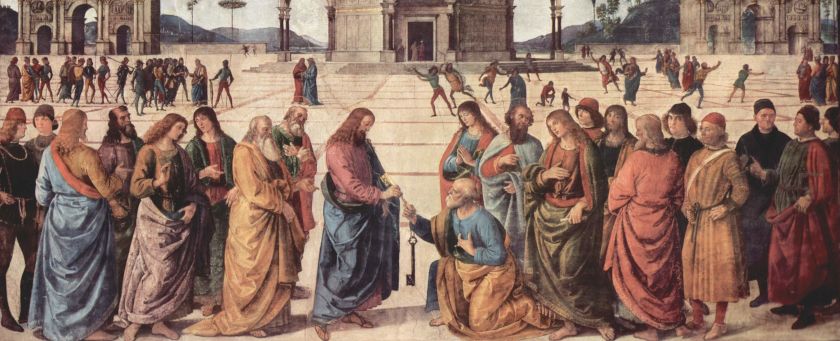
God has a plan for your life. I know I’ve preached on this idea before, but it’s true. We see this in all three of our readings today. In the first reading, the Lord replaces Shebna, the master of the palace, with Eliakim. I learned something interesting from our pastor yesterday: The master of the palace was essentially the gate keeper, and he was given the keys, which he wore on his shoulder, not only as a symbol of his status, but also of his responsibility to open the gates for those seeking…
In last week’s Gospel, we heard how Jesus came walking on the water towards his disciples in the boat being tossed around by the waves. From the very beginning, the image of the boat has been used to represent the Church, with St. Peter at its helm and assisted by the disciples. With that image in mind, today’s readings focus us on who else belongs in the boat with the disciples.
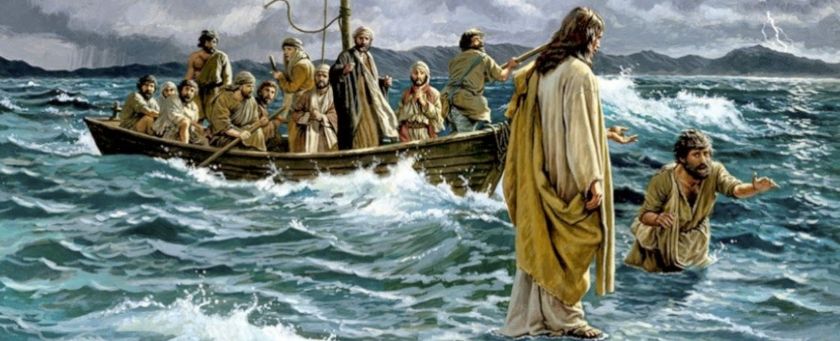
I sometimes wonder how many believers resemble St. Peter—how, despite the fact that his boat was being tossed about by the waves and the wind was against him, he saw the Lord and boldly asks if he too may be given the grace to walk in the Lord’s footsteps, even if those footsteps are on water. But, St. Peter, often impetuous, as the Gospels portray him, the minute his foot touched the water, became all the more aware of his own humanity, his own shortcomings. He knew that men do not walk on…
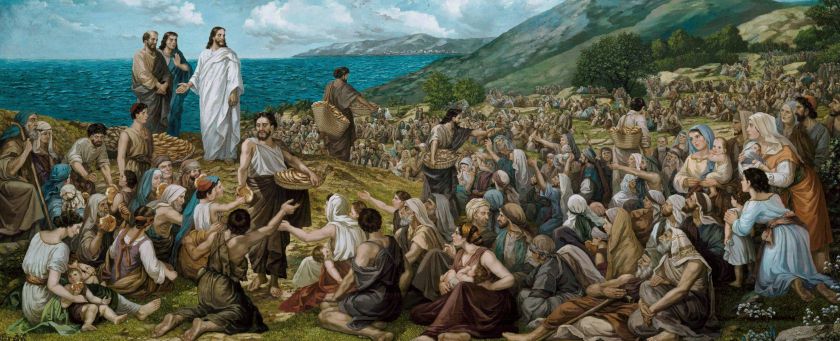
There is one ultimate source of rationality and order in the universe, and that source is God. With God, everything and everyone has purpose. Without God, we loose sight of purpose. Without God, we begin to imagine a world a bumping particles, chance encounters, and pure serendipity. Such a worldview appears chaotic, hostile, and devoid of meaning. But, God has a plan. And as believers we know deep in our heart that God has a plan for us. God desires to draw us close to himself, to renew the…